
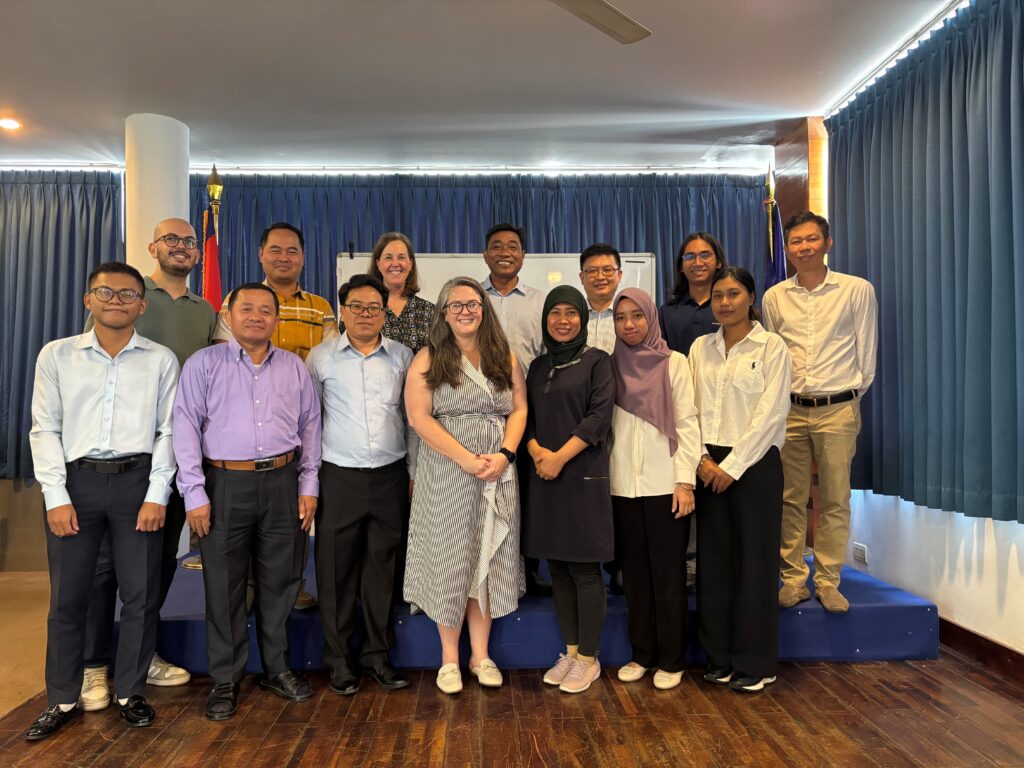
Representatives from the ASA’s World Initiative for Soy in Human Health program visited its partners in Cambodia last week. While the visits included updates on several projects, they also focused on trainings aimed at increasing access to finance, which could lead to stronger aquaculture value chains that rely on U.S. soy.
WISHH works in new and emerging markets for U.S. soybean growers, so access to finance in some places can sometimes be a barrier as businesses continue to develop, particularly along the aquaculture value chain. To alleviate what could be a constraint on demand for soy and address these challenges, WISHH has partnered with Lixia Capsia Gestionis (LixCap) in Cambodia as it has done previously in West Africa.
Working with the Cambodian Aquaculturist Association (CAA), the team delivered hands-on training to aquaculture and fish producers focused on financial literacy, business planning, and investment readiness. These trainings and meetings with LixCap help producers engage lenders and investors, unlock access to quality inputs, and responsibly scale production. They ultimately build stronger markets that rely on high-quality feed ingredients such as U.S. soy.
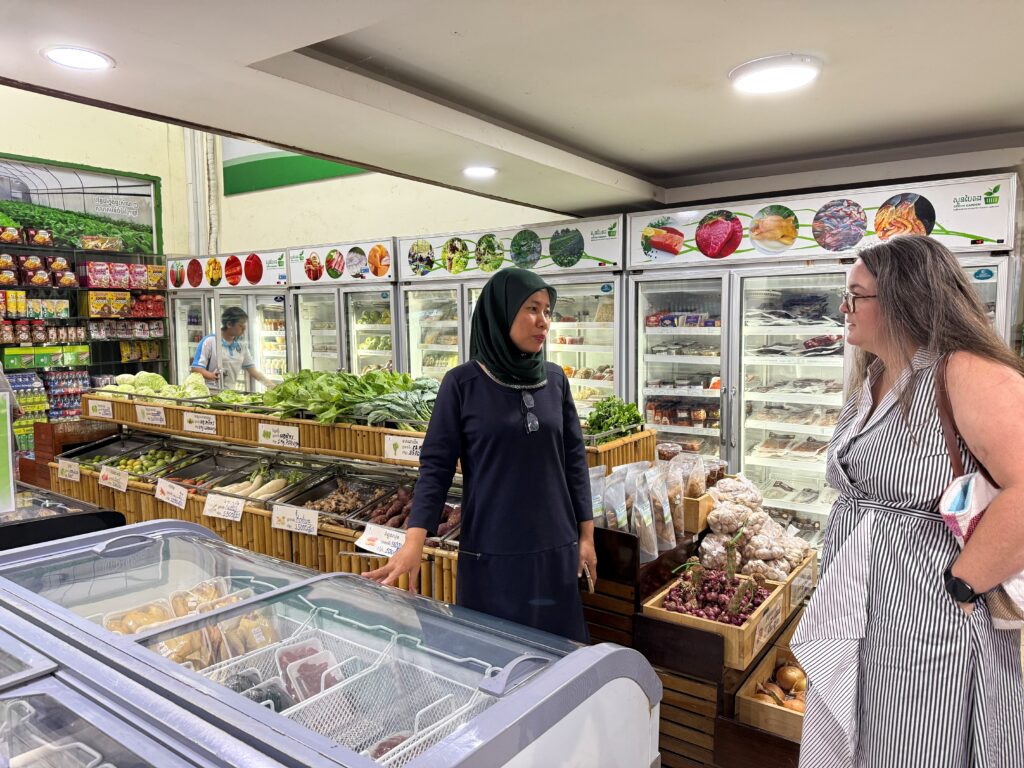
“Aquaculture is one of the fastest growing industries in Cambodia,” said WISHH Executive Director Gena Perry. “It’s important that we pair these growing businesses with a strategy that helps them become investment ready as they grow and increase their demand for U.S. soy.”
USDA’s Regional Agricultural Promotion Programming (RAPP) supports a number of WISHH’s international marketing activities in Cambodia including some with the CAA, which was created by WISHH’s CAST-Cambodia Project and is part of its long-term strategy of sustainability in the region, making the aquaculture sector more valuable for U.S. soy trade. CAA is comprised of more than 2,000 members of fish farmers, sellers, wholesalers, feed millers and distributors, as well as other industry representatives in Cambodia’s growing aquaculture sector.